
Dining
Food options aligned to a downtown schedule
Dining is described by timing, convenience, and predictability: early coffee logic, quick breakfast, meeting-friendly choices, and nearby options when you return late. The goal is simple—help you plan meals around real downtown rhythms (commute peaks, event nights, and short windows between sessions).
Early coffee focus
Grab-and-go logic
Dietary clarity
Meeting-friendly notes
Timing-first planning
Low-friction choices
Morning: coffee + portable breakfast
Midday: fast choices between meetings
Evening: calm recovery or team dinner
How guests typically use dining
- Early starts: prioritize speed, consistent availability, and easy receipts for expenses.
- Between sessions: grab-and-go reduces risk of being late.
- Client meetings: choose quieter options with predictable timing.
- Late returns: simple, reliable options matter more than variety.
Dietary clarity (practical)
- Vegetarian/vegan: clear labels and at least one protein-forward option.
- Gluten-aware: ask staff about prep to reduce cross-contact risk.
- Low-sugar: simple savory items and plain options help routine control.
- Allergies: confirm details directly for high-sensitivity needs.
Quick navigation
If you have a tight schedule, plan the morning first: coffee timing, a portable breakfast option, and a fallback choice if downtown queues spike during conference weeks.
Short summary
How business travelers typically use dining
Morning: speed + routine
- Prefer short queues and predictable coffee timing.
- Choose portable options when meetings start early.
- Use the same order to reduce decision fatigue.
- Hydration matters more than variety on travel days.
Midday: minimal interruption
- Grab-and-go or quick service near meeting locations.
- Opt for lower-mess meals when moving between venues.
- Plan buffer time: downtown lunch crowds are real.
- Check dietary labels to avoid last-minute surprises.
Evening: recovery + simplicity
- Choose calmer venues when you need downtime.
- For teams, pick places with easy reservations.
- Prioritize consistency after long conference days.
- Walkability can be more reliable than rideshares at peak times.
Gallery
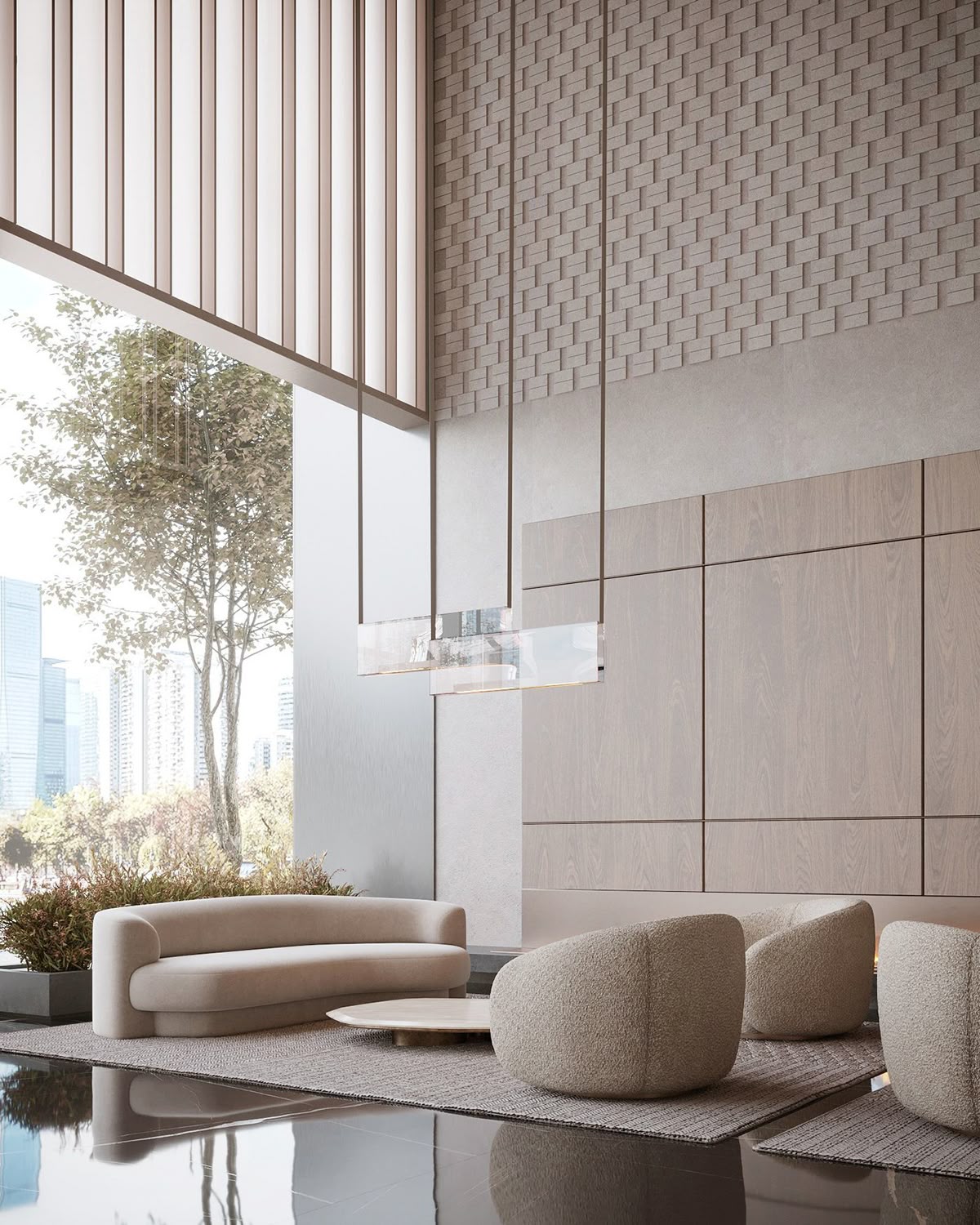
Dining context: simple, modern, functional
Coffee + quick planning
Practical seating for short sessions—use headphones for calls.
Dining policy approach
- Clarity: list what’s typical rather than overpromising.
- Allergies: always confirm with staff for severe allergies.
- Timing: publish hours where possible; avoid outdated seasonal claims.
- Choice architecture: fewer, clearer options are often better for business guests.
Onsite
Onsite options (structured for speed)
Typical onsite offerings
| Option | Best for | Practical notes |
|---|---|---|
| Coffee counter | Early starts | Ideal for “grab, pay, go.” Keep it predictable for commuters. |
| Simple breakfast | Meeting mornings | Favor portable items; plan buffer during conference weeks. |
| Grab-and-go fridge | Short lunch windows | Useful when you have back-to-back sessions and limited time. |
| Evening light meals | Late arrivals | When city dining is crowded, simple onsite options reduce friction. |
Dietary and preference clarity
- Vegetarian: include at least one protein-forward option (legumes, eggs, dairy, or plant alternatives).
- Vegan: ensure clear labeling and avoid hidden dairy in sauces.
- Gluten-aware: separate utensils to reduce cross-contact where feasible.
- Low-sugar: offer plain yogurt, nuts, or simple savory items.
- Allergies: guests should confirm with staff; online lists can’t cover all prep realities.
Consistency tip: keep dietary icons identical on signage, website, and any PDFs you publish.
Meeting-friendly coffee habits
- Order ahead where possible to reduce queue time.
- Choose spill-resistant cups if walking downtown.
- Keep receipts accessible for expense reporting.
- Hydrate: add water to avoid travel fatigue spikes.
Expense-reporting practicality
- Ask for itemized receipts when required by policy.
- Use one payment method per trip to simplify reconciliation.
- Keep digital copies: email receipts are easier than paper.
- Confirm tax lines are clearly printed.
Timing expectations
- Morning demand peaks around commute windows.
- Lunch surges when nearby offices break simultaneously.
- Evening crowds increase during events.
- Short windows favor grab-and-go planning.
Nearby
Nearby dining (how to choose downtown, efficiently)
What to prioritize
- Walkability: often more reliable than rideshare at peak times.
- Reservation ease: important for teams and clients.
- Noise level: choose calmer venues for conversation-heavy dinners.
- Speed: quick service matters when you’re between sessions.
- Dietary range: pick places with clear labeling for groups.
Decision table (use-case based)
| Use-case | Best fit | Why |
|---|---|---|
| Fast breakfast | Café counter | Predictable timing and portable food |
| Client meeting | Reservation restaurant | Controlled environment for conversation |
| Solo recovery dinner | Quiet bistro | Lower noise, easier decompression |
| Team dinner | Group-friendly venue | Space and service designed for parties |
Next step: Plan dining the same way you plan meetings: timing first.
Start with morning coffee, choose a quick midday fallback, and keep one calm evening option for recovery or team dinners.