Downtown • Work-ready • Walkable

SmartVectorX Downtown Hotel

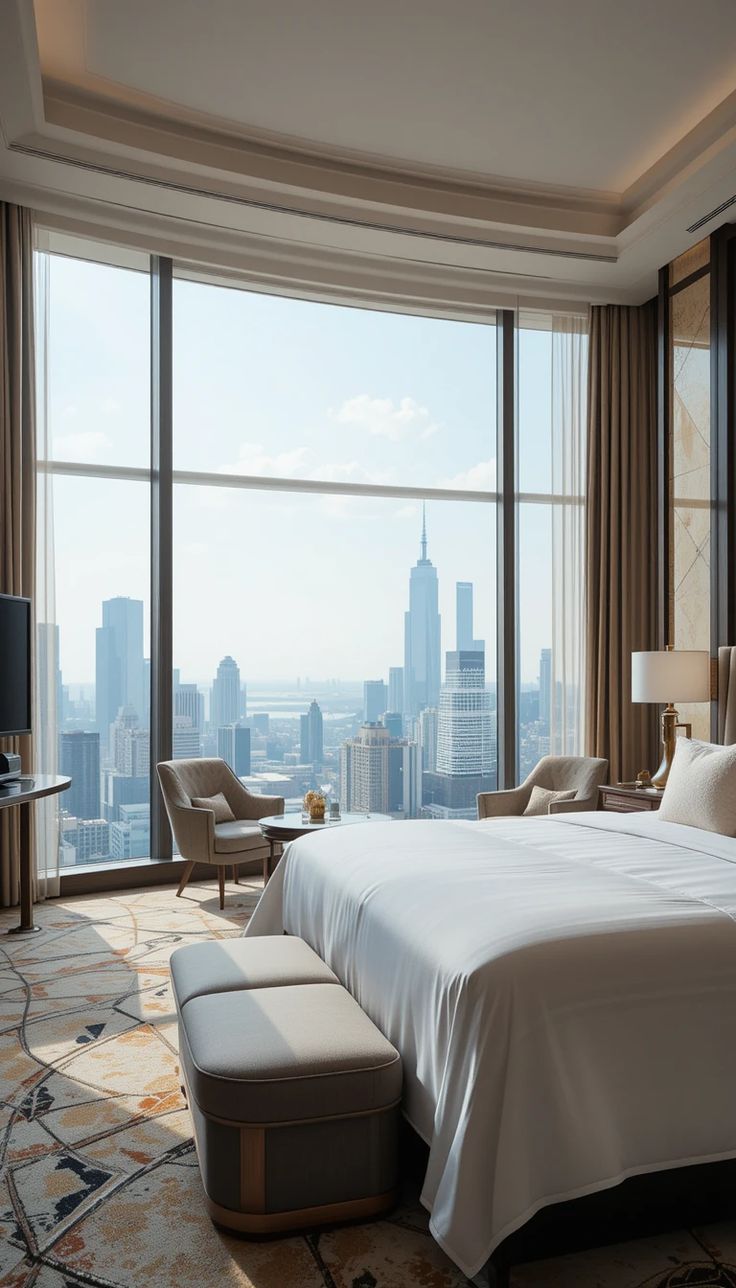
SmartVectorX Downtown Hotel is a city-first property built around the realities of modern business travel: reliable connectivity, a calm sleep environment, and predictable access to Toronto’s downtown core. The design is intentionally practical—clear wayfinding, work-ready room layouts, and amenities that support short, efficient stays without unnecessary complexity.

Reliable high-speed Wi-Fi Desk-first room layouts Walkable downtown core Flexible check-in support Quiet routine priorities Transit-oriented guidance

Designed for predictable routines

Arrival

  • Clear entry and lobby flow to reduce friction after travel.
  • Support for early/late timing where operationally possible.
  • Practical guidance for transit vs taxi vs walking.

In-room

  • Work zone separation to help you “switch off” at night.
  • Storage surfaces that reduce clutter and lost items.
  • Lighting zones for morning prep and late work.

Quick paths

The homepage stays form-free by design: it’s a clean overview with direct links to detailed pages, so guests can get answers fast without scrolling through distractions.

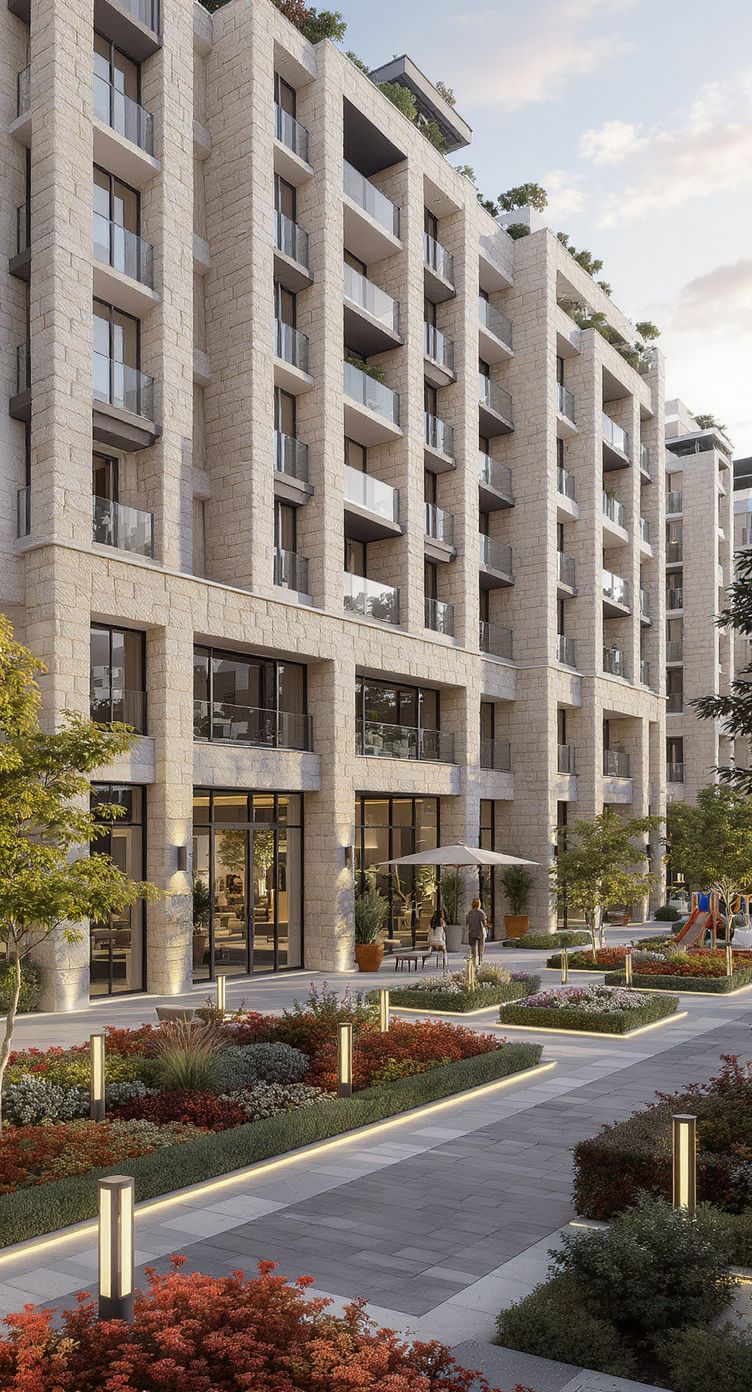
Downtown hotel facade with city street view

At a glance

What to expect during a typical stay

Check-in that respects your schedule

  • Clear arrival guidance and lobby wayfinding to reduce friction after travel.
  • Staffed support for late arrivals and early departures.
  • Transparent policies for IDs, payment methods, and incidental holds.
  • Digital confirmations with itemized information (no surprises).

Rooms built around focus

  • Work desk positioning that prioritizes lighting and outlet access.
  • Sound-mitigation approach (door seals, soft surfaces, room zoning).
  • Climate control guidance designed for stable overnight comfort.
  • Storage that supports short stays: hang space, luggage area, and surfaces.

Downtown access without complexity

  • Transit-oriented location guidance: subway stops and walking corridors.
  • Business services nearby: printing, shipping, banking, coworking.
  • Food options from early coffee to late dining.
  • Practical local notes: peak-hour traffic patterns and best walk routes.

Downtown access

Location: walk routes, transit logic, and practical proximity

Getting around (practical version)

The goal is to reduce uncertainty: how long things take, where congestion happens, what’s easiest on foot.

Destination type Typical access Notes that matter
Financial district offices Walk or short transit hop Best in the morning: sidewalks are predictable; taxis vary at peak hours.
Union Station / regional links Transit-first Plan extra buffer during events; entrances can be crowded.
Convention venues Walk + transit mix Use indoor paths when weather turns; ask desk for route tips.
Everyday services Walkable radius Coffee, pharmacy, groceries, and banking are typically nearby downtown.

Neighborhood notes (useful, not romanticized)

  • Noise profile: downtown streets can peak during commute windows; higher floors tend to reduce traffic noise.
  • Weather reality: winter wind tunnels and summer humidity—pack accordingly for walk commutes.
  • Late-night pattern: major streets stay active; smaller side streets vary by block.
  • Event spikes: sports and concerts can shift transit crowding—arrive earlier on event nights.
  • Accessibility: curb cuts and wide sidewalks are common downtown; indoor pathways may help in harsh weather.

Want exact directions and an embedded map? Use the contact page—there’s a map, transport guidance, and a message form for specific questions.

Comfort standards

  • Room zoning: sleep area separated from work surfaces where possible.
  • Lighting: task + ambient balance to reduce eye fatigue.
  • Climate guidance: stable overnight settings encouraged.
  • Daily upkeep: housekeeping designed to be unobtrusive and consistent.

Work standards

  • Desk-first layouts with reachable outlets.
  • Wi-Fi fit for video calls and file transfer.
  • Quiet zones in public areas for short sessions.
  • Local business services: printing/shipping options nearby.

Guest clarity standards

  • Policies written plainly (privacy, cookies, and site usage).
  • Clear contact routes and response expectations.
  • Transparent inclusions vs. add-ons, where applicable.
  • Accessible navigation: predictable menus and sections.

Decision support

Pros & Cons (so you can book with realistic expectations)

Pros

  • Downtown logic: central access reduces commuting friction for meetings.
  • Business-first room layouts: practical desk and lighting considerations.
  • Predictable planning: clear site information across rooms, amenities, dining, and policies.
  • Walkable services: common essentials are typically reachable without a car.
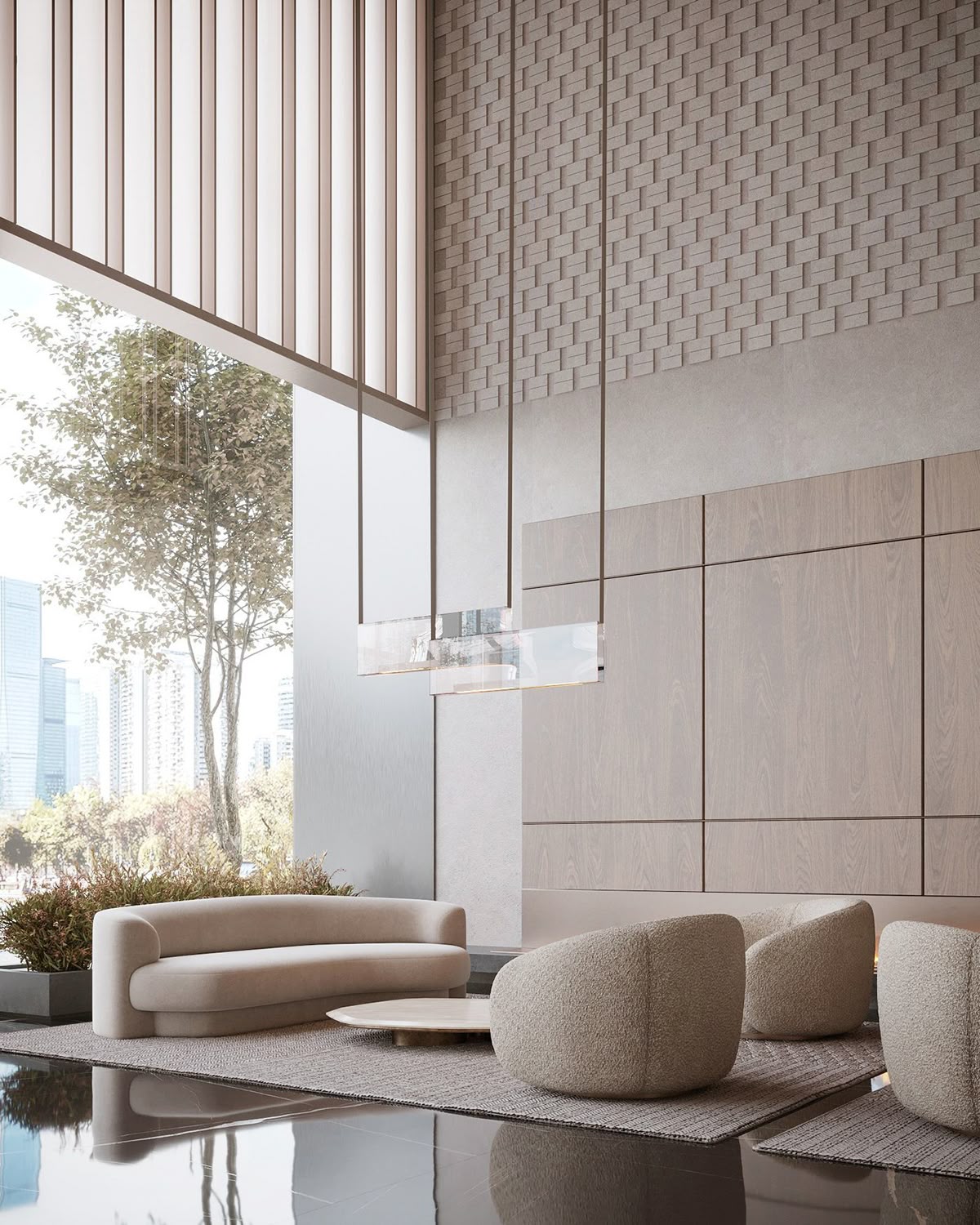
  • Neutral design: modern, calm palette intended to support focus.

Cons / trade-offs

  • Downtown noise: street activity can be noticeable during peak hours on lower floors.
  • Event-driven variability: traffic and transit crowding can spike around city events.
  • Compact urban footprint: like many downtown hotels, some rooms may prioritize efficiency over size.
  • Parking complexity: downtown parking often requires planning and may be off-site.
  • Weather impact: winter conditions can affect walking comfort and timing.

FAQ (hotel-first, practical)

Who is SmartVectorX Downtown Hotel best for?
Business travelers, conference guests, and anyone who wants a predictable downtown stay: quick access, efficient routines, and a room layout that supports focused work and reliable rest.

Is it a quiet hotel despite being downtown?
Downtown always has a baseline city sound profile. For quieter conditions, request a higher floor and, where available, a room away from major intersections. Using a consistent night routine (temperature, lighting, and device settings) also improves sleep quality.

What makes the rooms “work-ready” in practice?
Desk-first positioning, reachable outlets for multiple devices, task-friendly lighting, and layout logic that keeps work surfaces separate from sleep areas when possible—so the room feels organized even on short, meeting-heavy stays.

How walkable is the location for typical downtown needs?
The focus is practical walkability: coffee, pharmacy, groceries, and common services are usually within a short radius. For offices and venues, the most reliable option is often walking plus a short transit hop, especially during peak traffic windows.

What should I plan for during events or peak seasons?
Expect variability: traffic and transit can spike around sports, concerts, and conferences. Build extra buffer time for arrivals, and consider dining reservations earlier than usual. If you have time-sensitive meetings, share your schedule on arrival so staff can help you plan the simplest route.

Can the hotel support early mornings and tight schedules?
Yes—this concept is built for schedule-heavy travel: straightforward check-in guidance, clear service routing, and amenities described with timing in mind. If you have a very early departure or need a specific routine, note it in advance to reduce friction.

Do you offer parking?
Downtown parking often requires planning and may be limited or off-site. If you’re driving, confirm the best option before arrival and consider walking distance, overnight rules, and event-day congestion.

Is the hotel suitable for longer stays?
Yes—especially if you choose a room category with additional surfaces and stronger zoning (e.g., studio or suite). For extended stays, prioritize storage and routine features like workspace clarity and consistent sleep conditions.

What’s the best way to request a specific room setup?
Be specific and practical: “higher floor,” “quieter exposure,” “extra hang space,” or “early check-in note.” Requests are subject to availability, but clear details improve outcomes.

How do you handle accessibility needs?
The best approach is to share requirements early (step-free access, shower type, hearing/visual considerations). This allows the team to recommend the most suitable room category and arrival route.